
Corporate Polo Shirts and Office Uniforms: Fabric, Branding and Sizing
Choose the style, fabric, colours, logo placement and sizes for corporate polo shirts and staff uniforms, and plan reorders as your team grows.
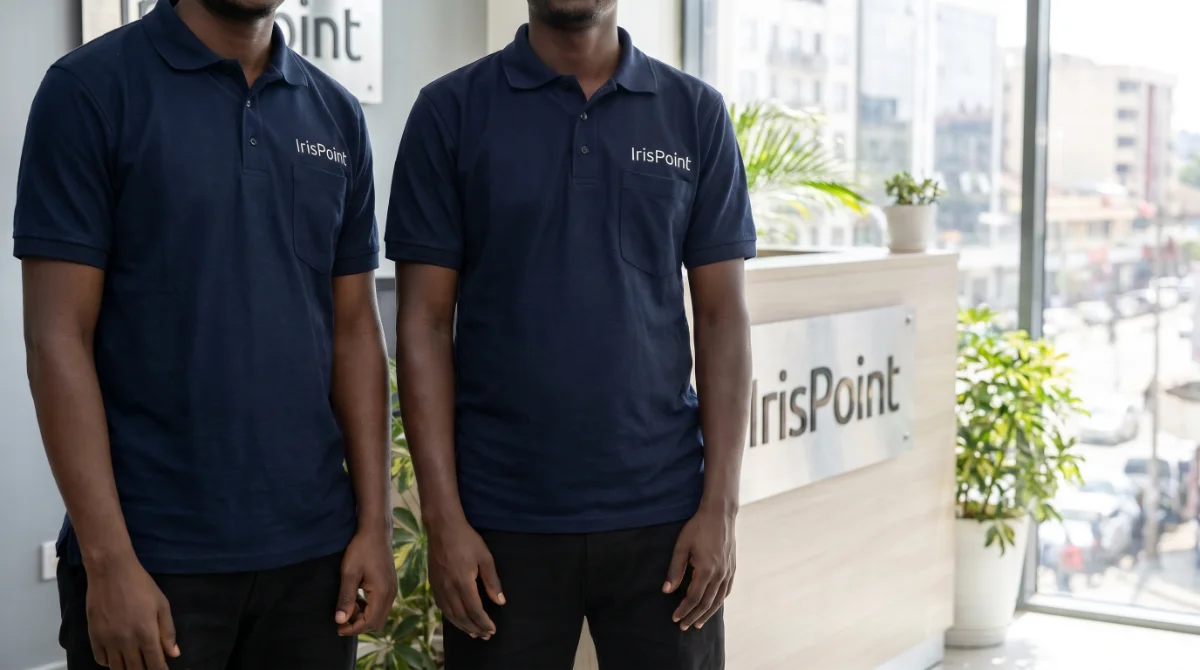
When a customer walks into a shop, a bank branch or an office, the first thing they notice about the staff is often what they are wearing. A team in matching, well-fitting polo shirts looks organised and approachable. The same team in a mix of their own clothes looks less certain, even if the service is just as good. That is why so many Kenyan businesses, from supermarkets and SACCOs to clinics, schools and tech companies, give their staff branded polo shirts as a uniform.
This guide is for HR teams, operations managers and business owners setting up or refreshing a staff uniform. It covers when to choose a polo, a T-shirt or a shirt, fabric, logo placement, colours that last, sizing staff fairly and running a uniform programme as the team grows.
Polo, T-shirt or shirt: matching the role
Different roles need different levels of formality, and the uniform should fit the work.
- Polo shirts sit in the middle: smarter than a T-shirt, more relaxed and practical than a formal shirt. The collar makes them look neat, while the knitted fabric is comfortable for a full day on your feet. They suit customer-facing staff in shops, banks, clinics, hotels, schools and offices with a smart-casual dress code.
- T-shirts suit warehouse teams, field staff, event crews, drivers and staff who do physical work, as well as casual Fridays and team-building days.
- Formal shirts suit managers, executives and roles where a jacket and tie are expected.
Many companies use a mix: polos for front-line staff, T-shirts for operations and casual days, and a smarter option for managers. Keeping the same colours and logo across all of them makes the whole team look like one organisation.
Our branded T-shirts come in round-neck, V-neck and polo styles, so you can order different styles for different teams in the same colours. The Wikipedia article on the polo shirt covers the history of the style if you are curious.
Fabric: comfort for a full working day
Staff wear their uniforms for eight hours or more, often in warm conditions, so fabric is not a detail. It decides whether people are comfortable, whether the uniform still looks good after a few months, and whether staff actually wear it.
- Cotton is soft, breathable and comfortable in warm weather, and it takes prints well. Our branded T-shirts and polos are made from pure cotton.
- Fabric weight matters too: a slightly heavier fabric looks smarter, keeps its shape better and is less see-through, while a lighter fabric is cooler in hot places such as the coast.
- Colourfastness matters most for dark and bright colours, which should keep their colour through repeated washing.
If your staff work in very hot conditions, such as outdoor markets or coastal hotels, ask for a lighter fabric and consider giving each staff member more shirts, so they can change during the week. For kitchens and restaurants, see our guide to chef aprons and hospitality uniforms.
Logo placement: chest, sleeve and back
A uniform should make it obvious who the staff work for without looking like an advertisement.
- Left chest is the standard position for the company logo on a polo, usually 8 cm to 10 cm wide. It is visible when facing a customer and looks professional.
- Sleeve is a good place for a secondary logo, a department name or a website.
- Back is useful for roles where staff are often seen from behind, such as floor staff in a supermarket or event crew, with the company name or a short line such as "Here to help".
- Name embroidery or printing on the chest, opposite the logo, helps customers address staff by name, which many service businesses find improves the customer experience.
The print method affects how the logo looks and lasts. Our guide to heat press vinyl vs dye sublimation explains how the main methods compare. For a premium look, a small embroidered chest logo is popular on polos.
Colours that survive washing
Uniforms are washed far more often than ordinary clothes, sometimes every day, so choose colours with that in mind.
- Navy, black, charcoal and maroon hide marks well and stay looking smart for longer.
- White looks crisp and clean but shows every stain, so it suits office roles more than physical work.
- Bright brand colours such as red, orange or green stand out and match many logos, but they fade faster if washed in hot water or dried in strong sun.
- Contrast the logo with the shirt. A white or gold logo on navy, or a dark logo on a light shirt, stays readable even as the fabric ages.
Give staff simple care instructions with their uniforms: wash inside out in cool or warm water, avoid bleach, and dry in the shade. Uniforms looked after this way last noticeably longer.
Sizing staff fairly
A uniform that does not fit is uncomfortable, looks untidy and is more likely to be left at home. It can also be an awkward subject, so handle sizing carefully.
- Collect sizes privately. Ask each staff member for their size through a simple form or their manager, rather than in a group meeting.
- Share a size chart with measurements. Sizes vary between brands, and a chart with chest width and length helps people choose correctly.
- Offer a full range. Our T-shirts and polos are available from S to 3XL, and sizes can be mixed within a single order, so every staff member gets a shirt that fits.
- Consider fit samples. For large orders, ask for a sample in the most common sizes so staff can try them on before the full order is placed.
- Order a few spares in the most common sizes for new staff and replacements.
Running a uniform programme: reorders and new staff
A uniform is not a one-time order. People join, shirts wear out and the business grows. Planning for that from the start saves time and keeps everyone looking consistent.
- Decide how many shirts each person gets. Three to five shirts per person is common for staff who wear the uniform every day, so they always have a clean one.
- Keep a record of the design. Save the approved design, the colours, the logo size and its position, so every reorder matches the first.
- Plan replacements. Uniforms worn daily usually need replacing about once a year. Budget for it rather than waiting until shirts look worn out.
- Keep stock for new starters. A small stock in the most common sizes means new staff can be in uniform from their first day. Our guide to employee welcome kits covers what else to give new starters.
- Order in batches. Combining new-starter stock with replacements in one order keeps costs down. Orders of KES 10,000 or more receive a 5% bulk discount.
Introducing a new uniform to staff
A new or refreshed uniform goes down better when staff feel involved rather than simply handed a bag of shirts.
- Explain why. Tell staff what the uniform is for: a consistent look for customers, less spending on their own work clothes, and a clear sense of belonging to the team.
- Show the design first. Share the proof or a sample, and invite feedback on fit and comfort before the full order.
- Agree the rules. Make clear which days the uniform is worn, whether staff may wear their own jacket over it, and how replacements are requested.
- Launch it together. A day when the whole team starts wearing the new uniform at once, perhaps with a team photo, makes the change feel positive.
- Listen after the launch. If several people find a size or fabric uncomfortable, adjust the next order rather than waiting for complaints to grow.
Completing the look
For outdoor staff, a matching cap keeps the sun off and carries the logo. Our branded caps come in the same colour ranges. For cool mornings or air-conditioned offices, a branded hoodie or a zip-up in the same colours keeps staff warm without covering the uniform with a personal jacket. Our guide to branded hoodies for teams, schools and staff covers how to choose them.
Once your design and sizes are approved, orders are delivered in 1–5 days. Send us your logo, the styles and colours you want, and a list of sizes, and you will receive a digital proof of the logo placement before production.
A good uniform does more than make staff look alike. It makes customers feel they are in the right place, helps them find someone to ask, and gives staff a sense of belonging to the team. Choose comfortable fabric, a clear logo and colours that last, and plan for reorders from day one, and your uniform will keep looking professional all year. Tell us about your team, and we will help you plan it.
Planning event wristbands, staff lanyards, or corporate apparel in Kenya? You can share your design ideas with us directly on WhatsApp for quick digital mockups and pricing.